GuideMay 8, 202610 min read
AI Fleet Management Software: What Is Real, What Is Hype
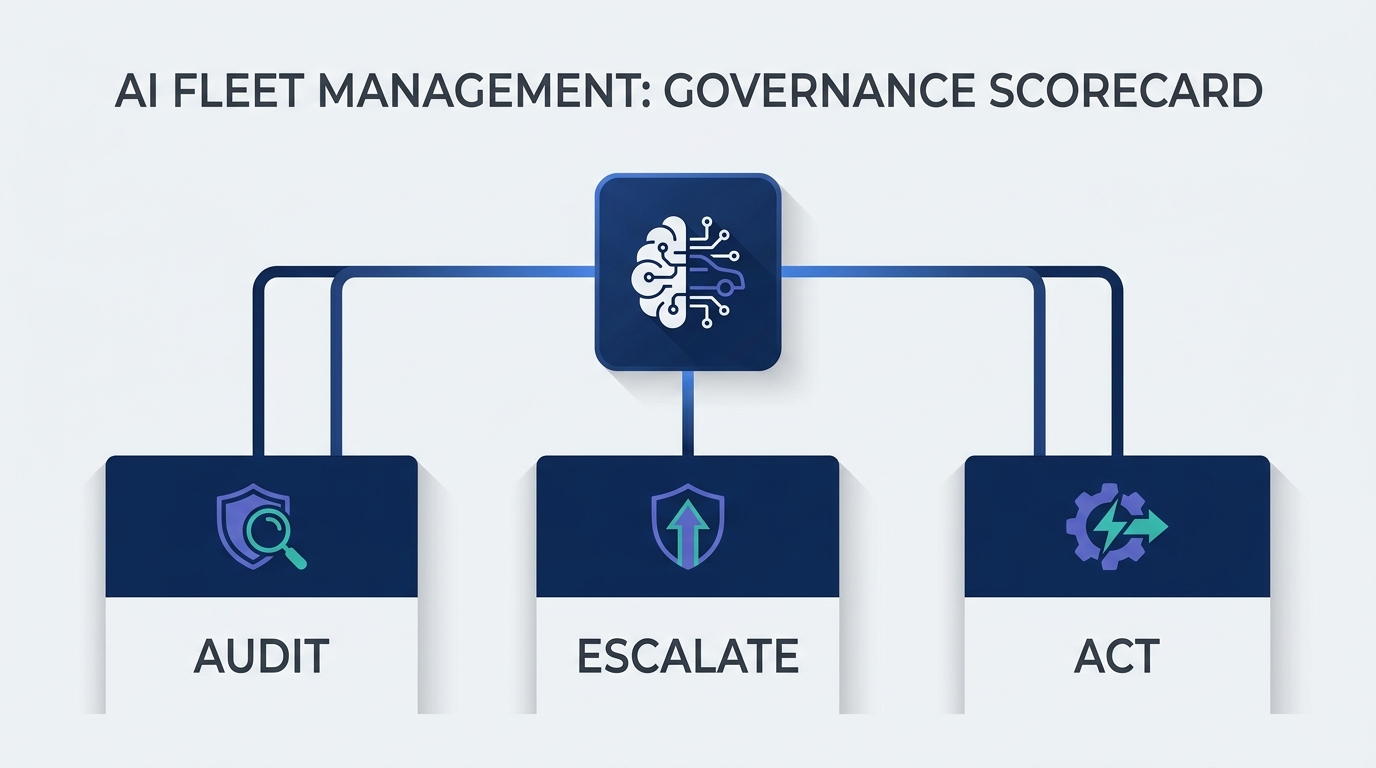
AI fleet management is useful when it automates decisions and follow-through, not when it adds another layer of vague intelligence on top of dashboards.
Blog
On AI operators, enterprise deployment, and the future of work.
AI fleet management is useful when it automates decisions and follow-through, not when it adds another layer of vague intelligence on top of dashboards.
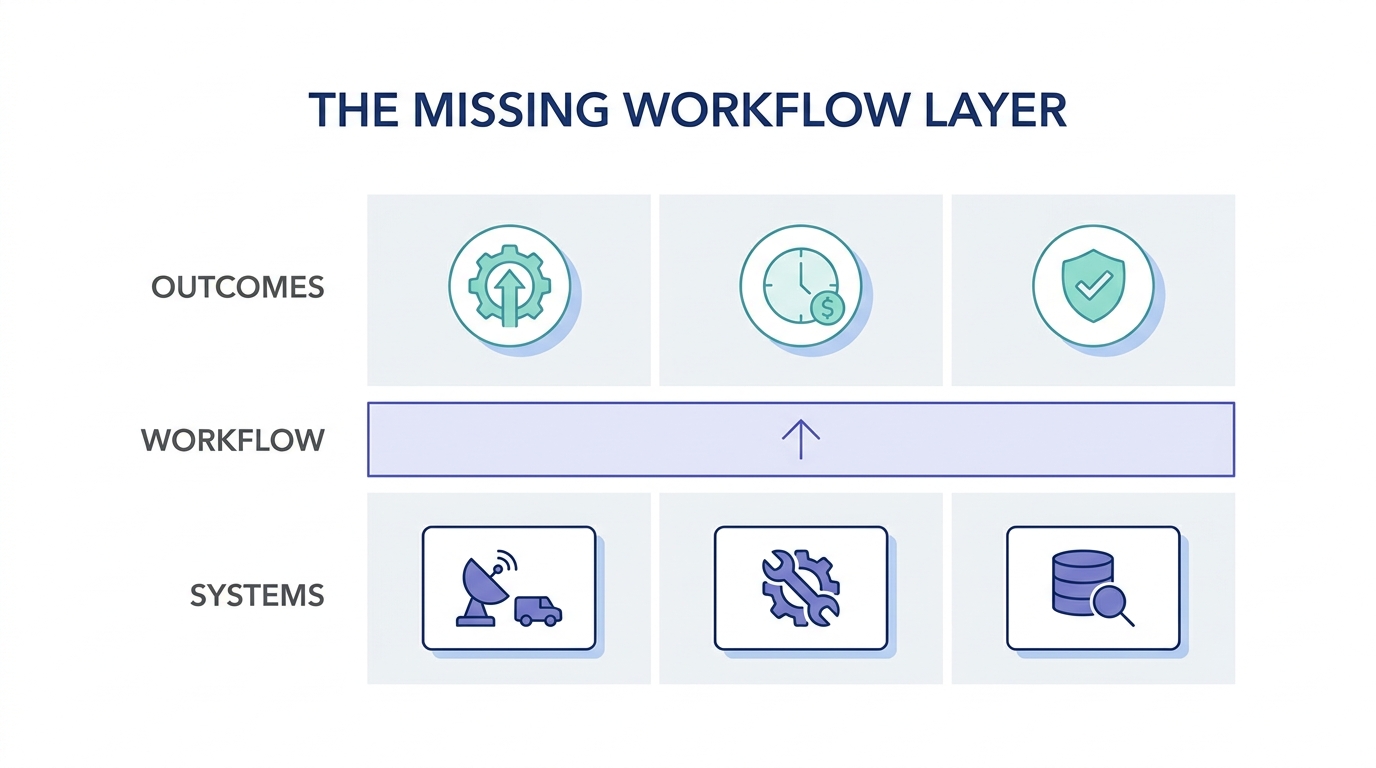
Samsara, Motive, Geotab, Powerfleet, Fleetio, Carma, and Flott HQ all solve important parts of fleet operations. The remaining gap is the workflow layer between systems.
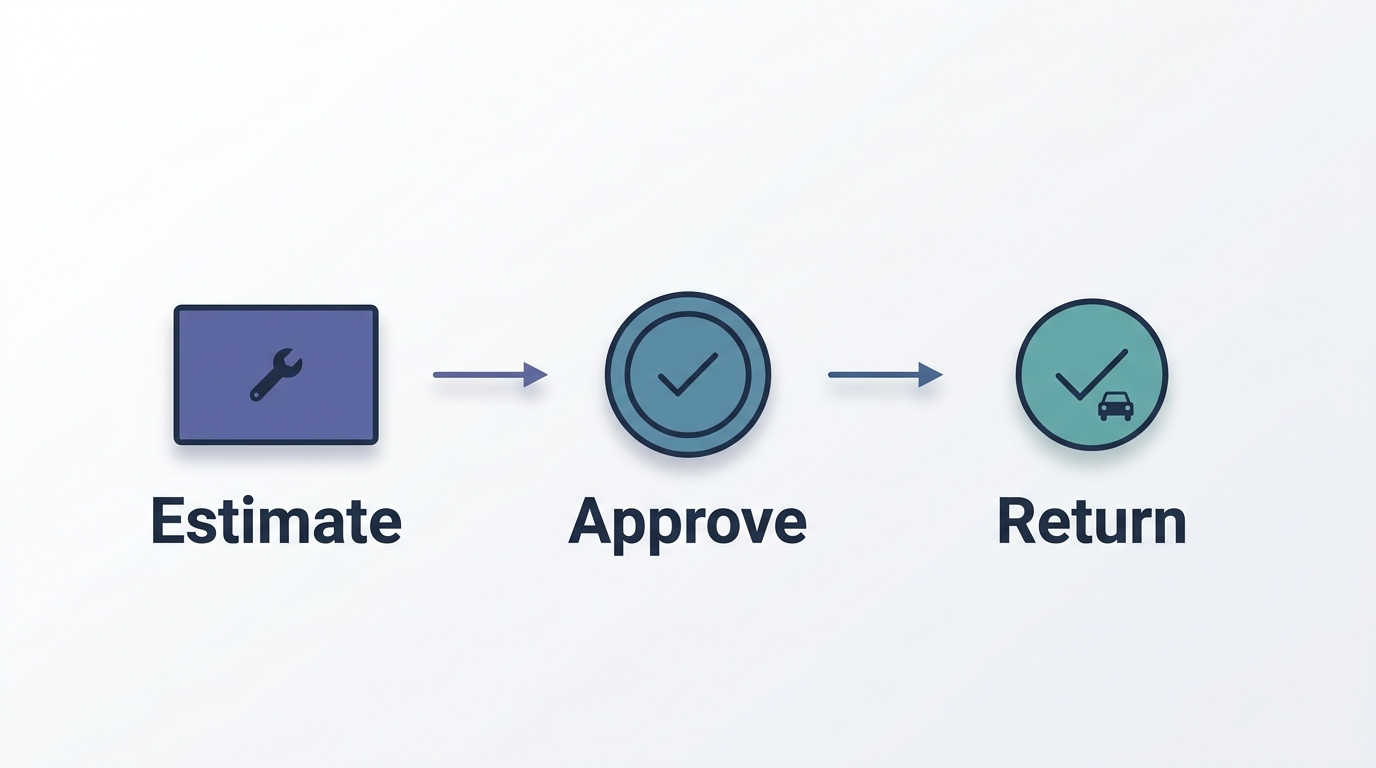
Maintenance software tracks the work. The bigger uptime gains often hide in the approval, vendor, dispatch, and return-to-service workflow around the repair.
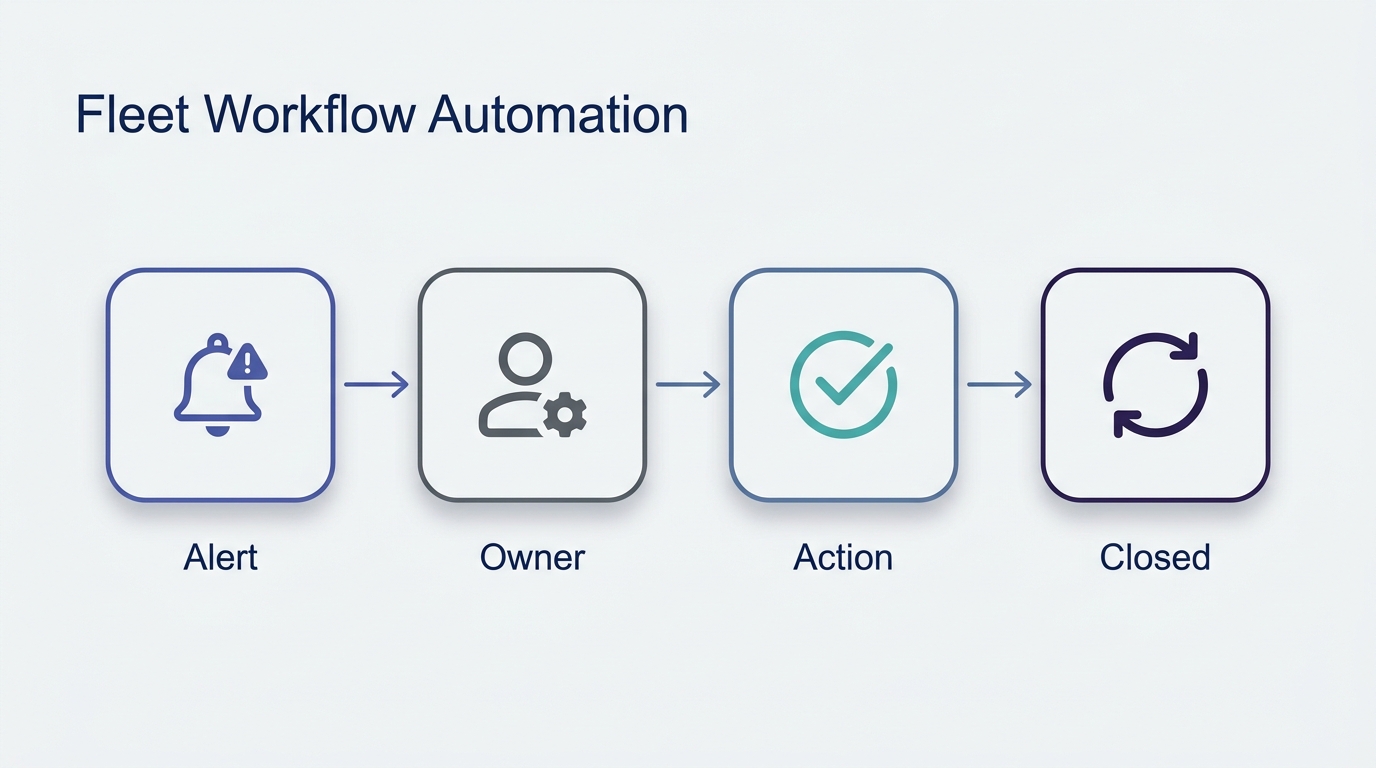
Fleet teams do not need another dashboard. They need the work after the alert to move faster: approvals, vendor coordination, dispatch impact, and return-to-service follow-through.

AI SDRs handle 10-50x the volume but human SDRs generate 2.6x more revenue. Here's why the best enterprise teams deploy both, and how managed AI employees bridge the gap.
AI SDRs promise to automate sales development. Most fail because they treat it as a software problem. Here's why the managed AI employee model works where DIY SDR bots don't.
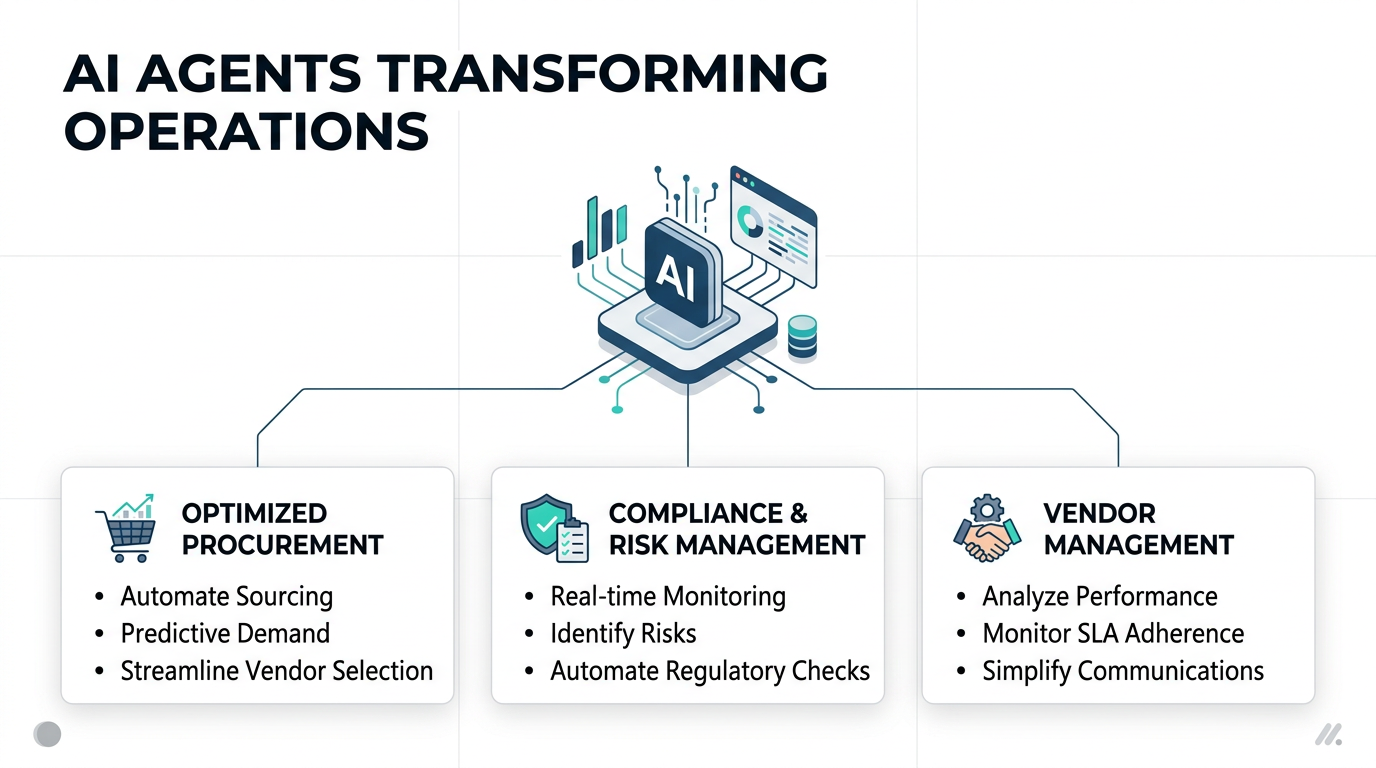
What agentic AI actually means, which business operations use cases are ready today, which are vaporware, and how to evaluate agentic AI vendors without getting burned.
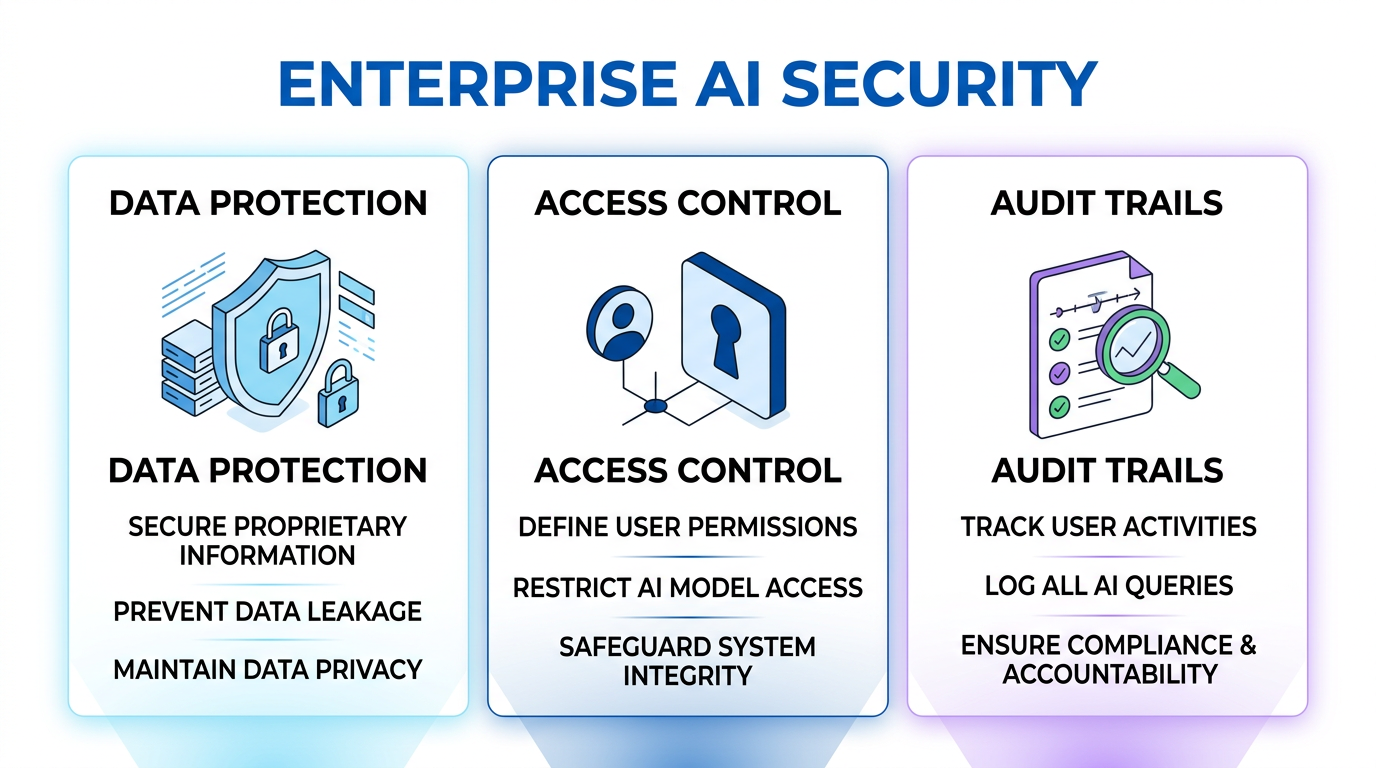
A no-FUD breakdown of real AI agent security risks in enterprise environments — data exfiltration, prompt injection, credential sprawl, shadow AI — and practical mitigations that work.
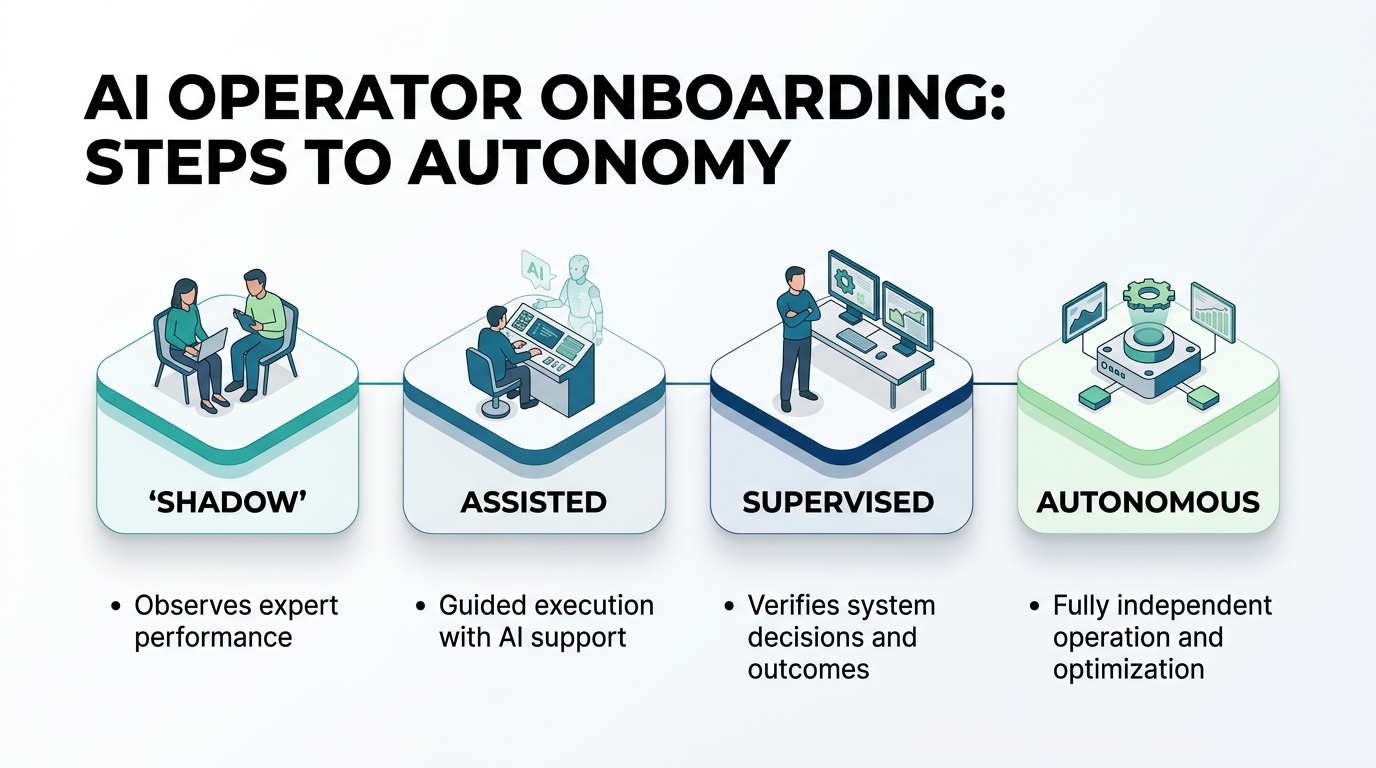
A week-by-week playbook for onboarding AI operators into your team. Shadow mode through autonomous operation, building team trust, and avoiding the common failure modes.
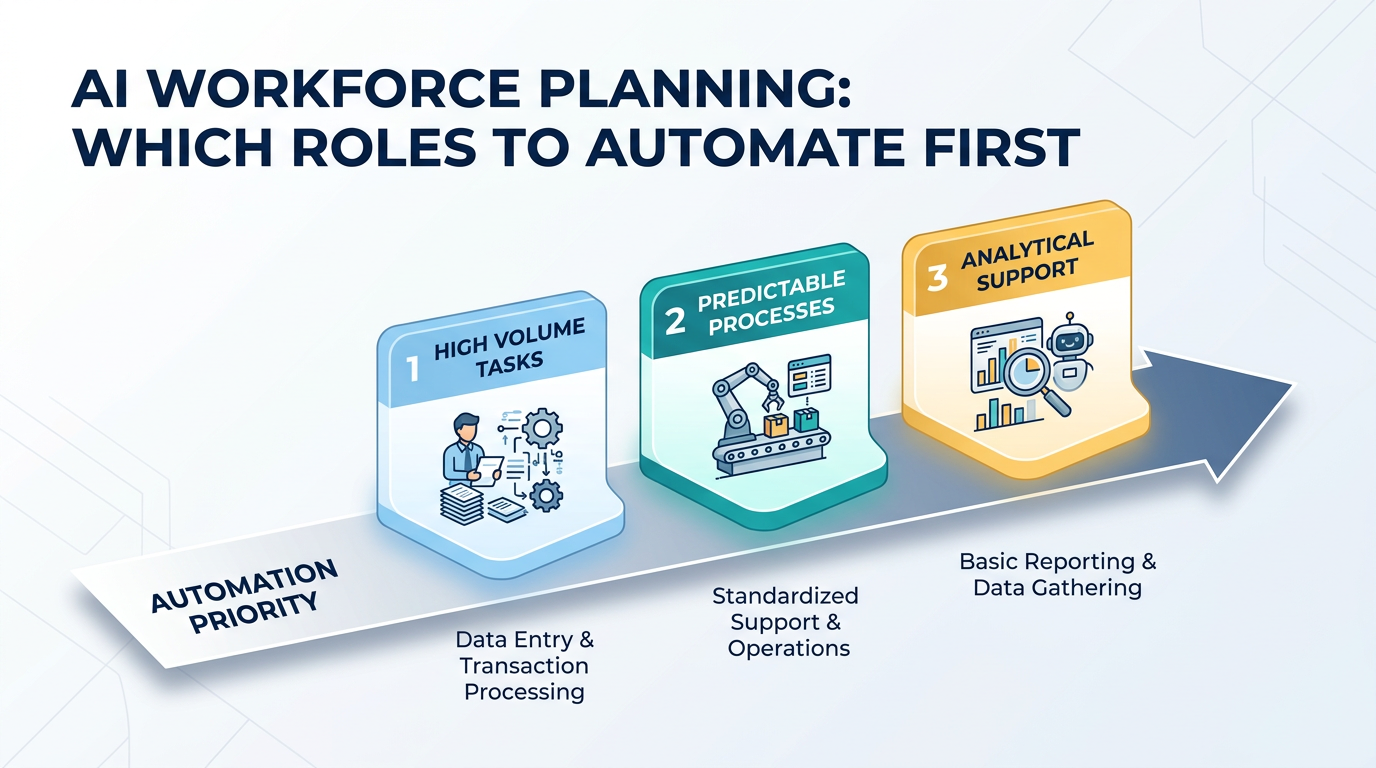
A practical framework for evaluating which roles to automate with AI, which to augment, and which to leave alone. Includes a scoring model and ROI calculation approach.
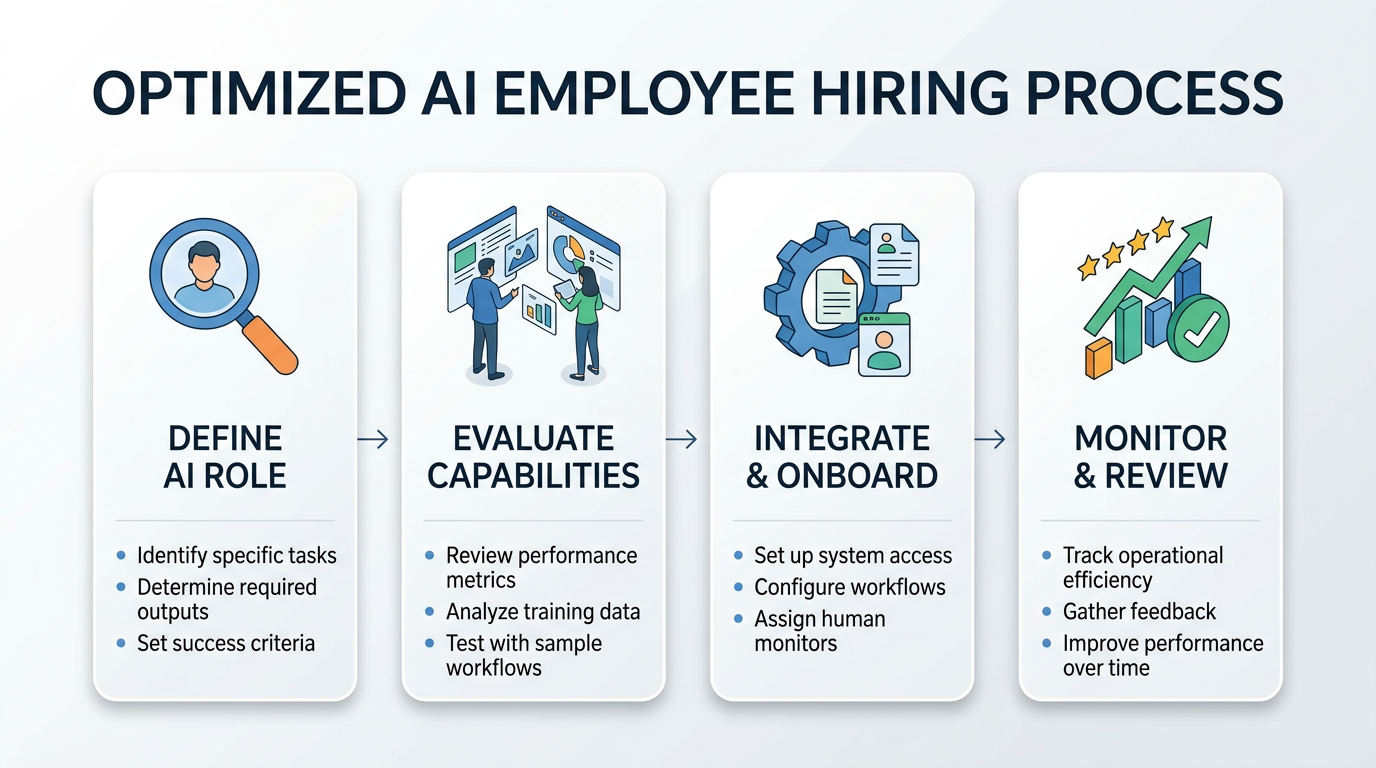
A step-by-step framework for hiring AI employees — from defining the role and running evaluations to onboarding, performance reviews, and knowing when to fire them.
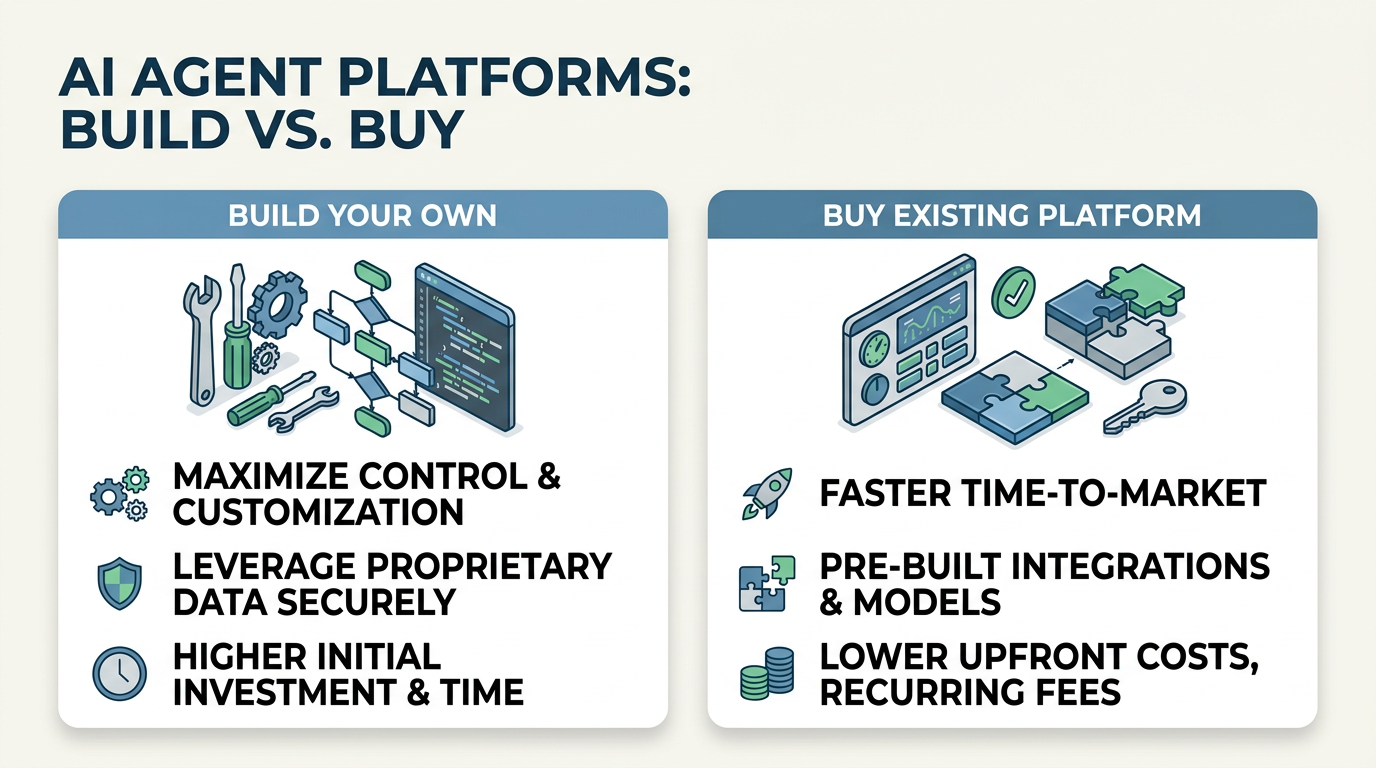
A decision framework for choosing between building your own AI agents and using a managed service. When DIY makes sense, when managed wins, and how to evaluate the tradeoffs.
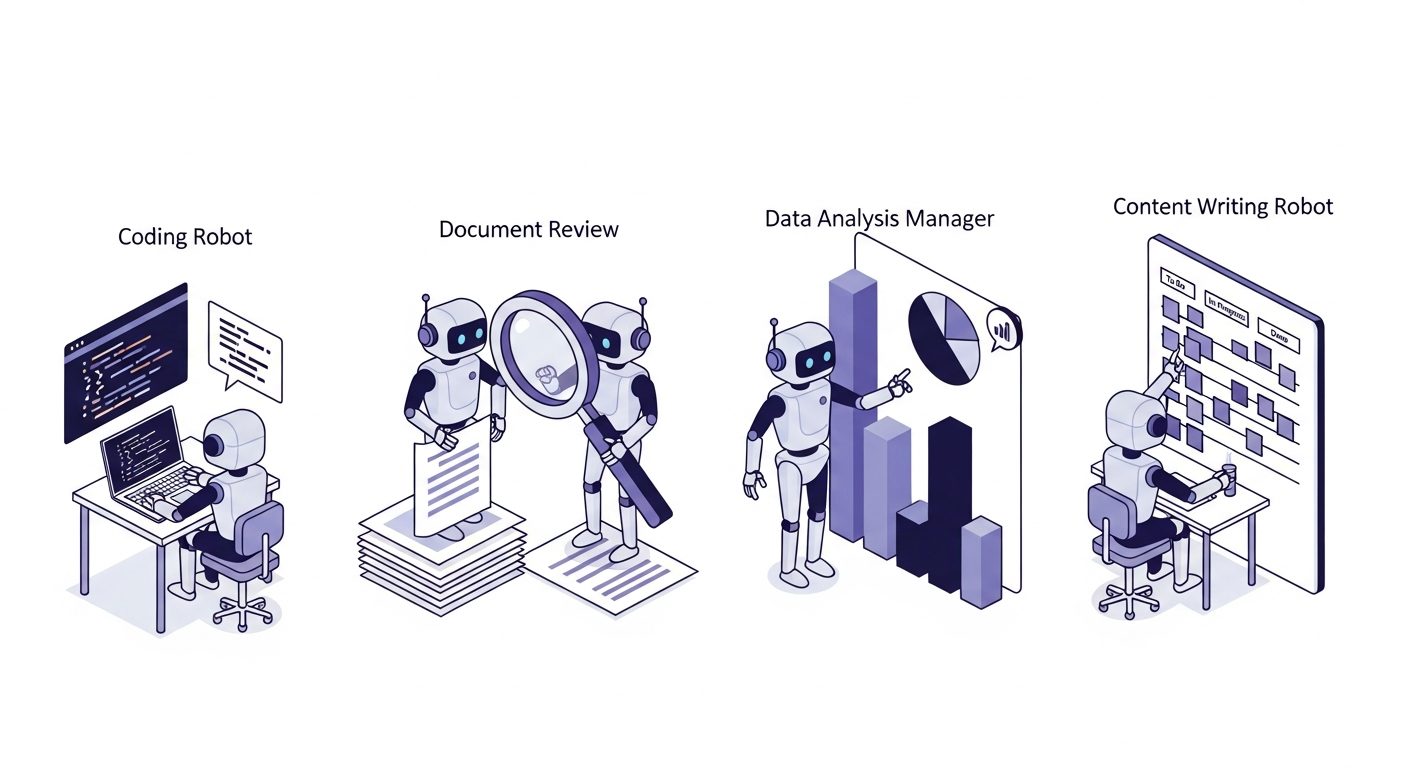
Enterprise AI isn't about moonshots. These five AI operator roles deliver immediate, measurable value across research, GTM, content, operations, and compliance.
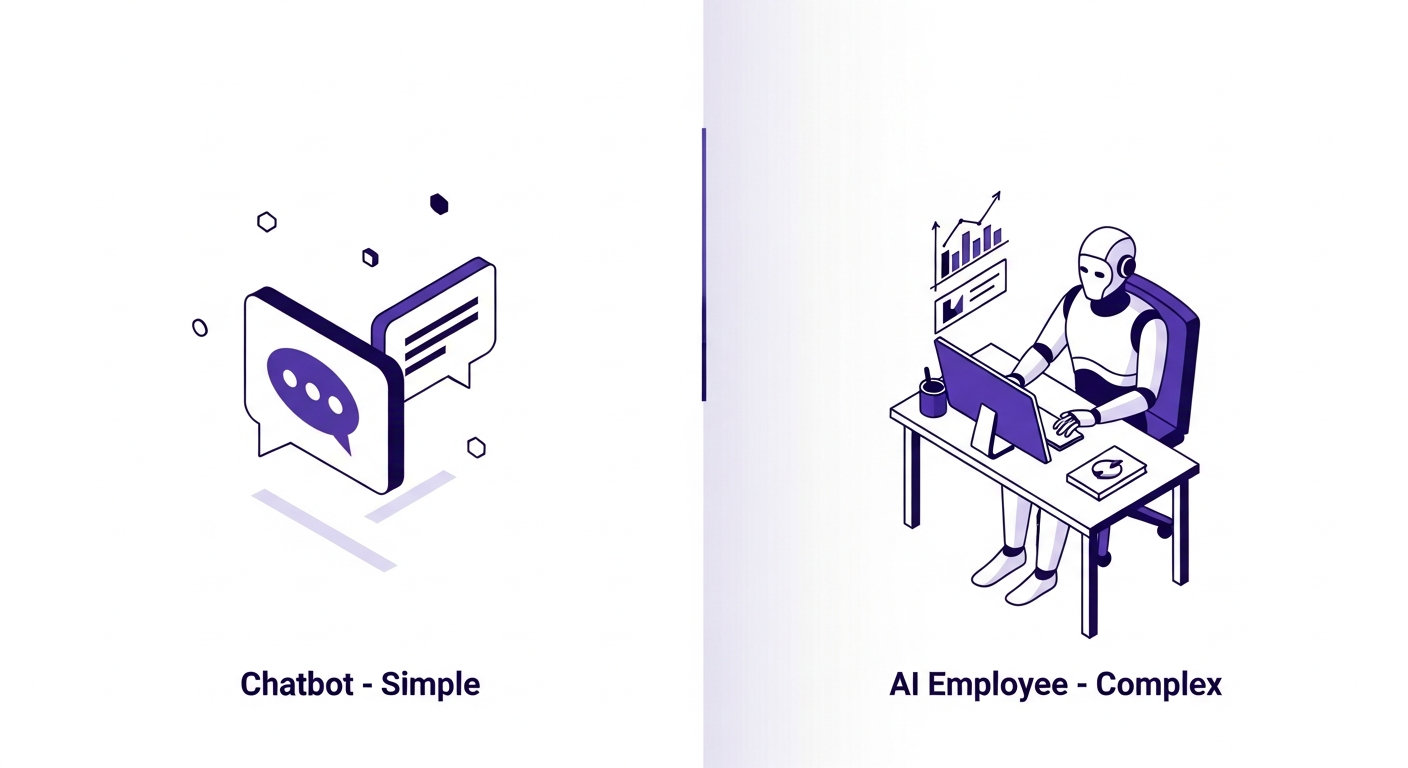
Chatbots answer questions. AI employees do work. Here's why the distinction matters and what it means for building an AI workforce.

Your AI agent's biggest weakness isn't intelligence — it's memory. Here's how context windows work, why they cause amnesia, and what systems like Cortex do to fix it.
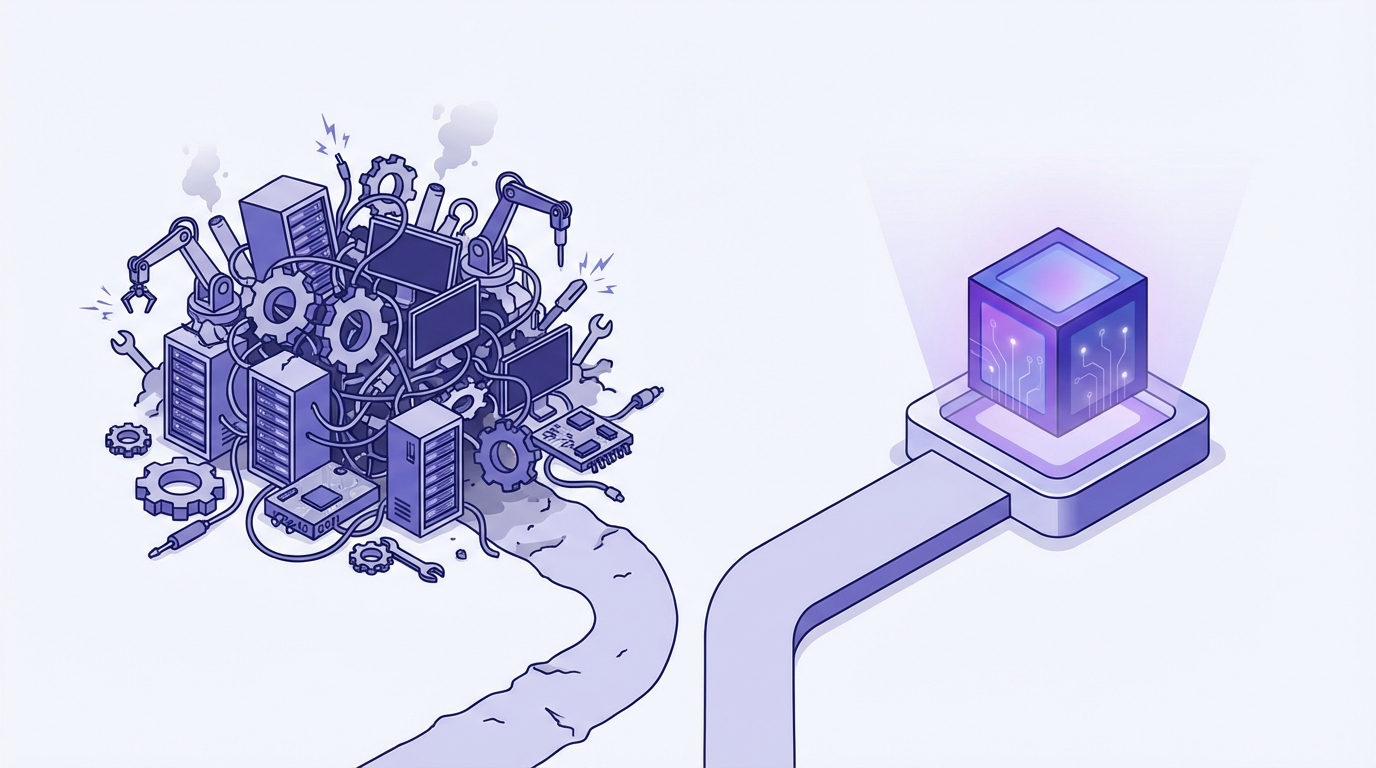
Building your own AI agents sounds appealing until you add up the real costs. Here's the honest math on build vs. buy for AI agent platforms.
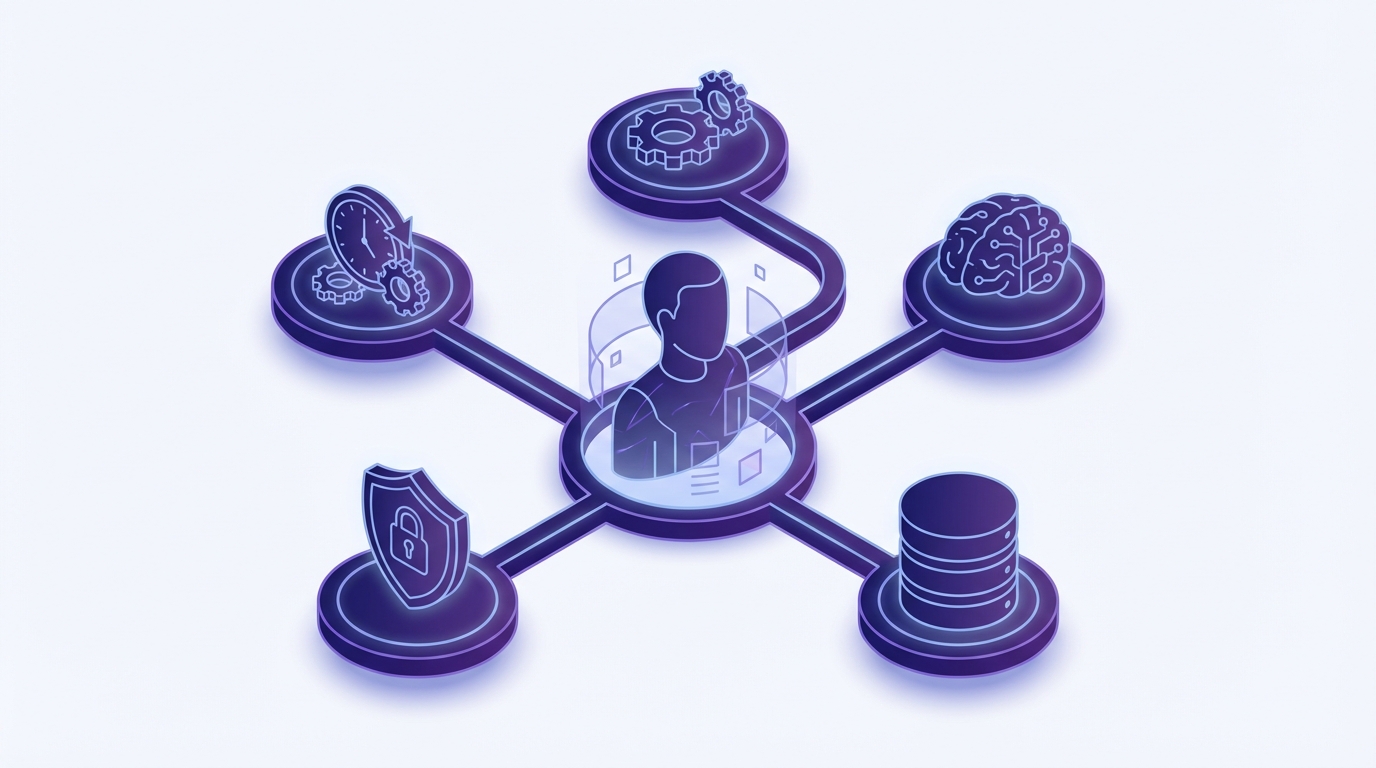
Everything you need to know about AI operators: what they are, how they work, how they differ from AI agents and chatbots, autonomy levels, and real-world use cases.
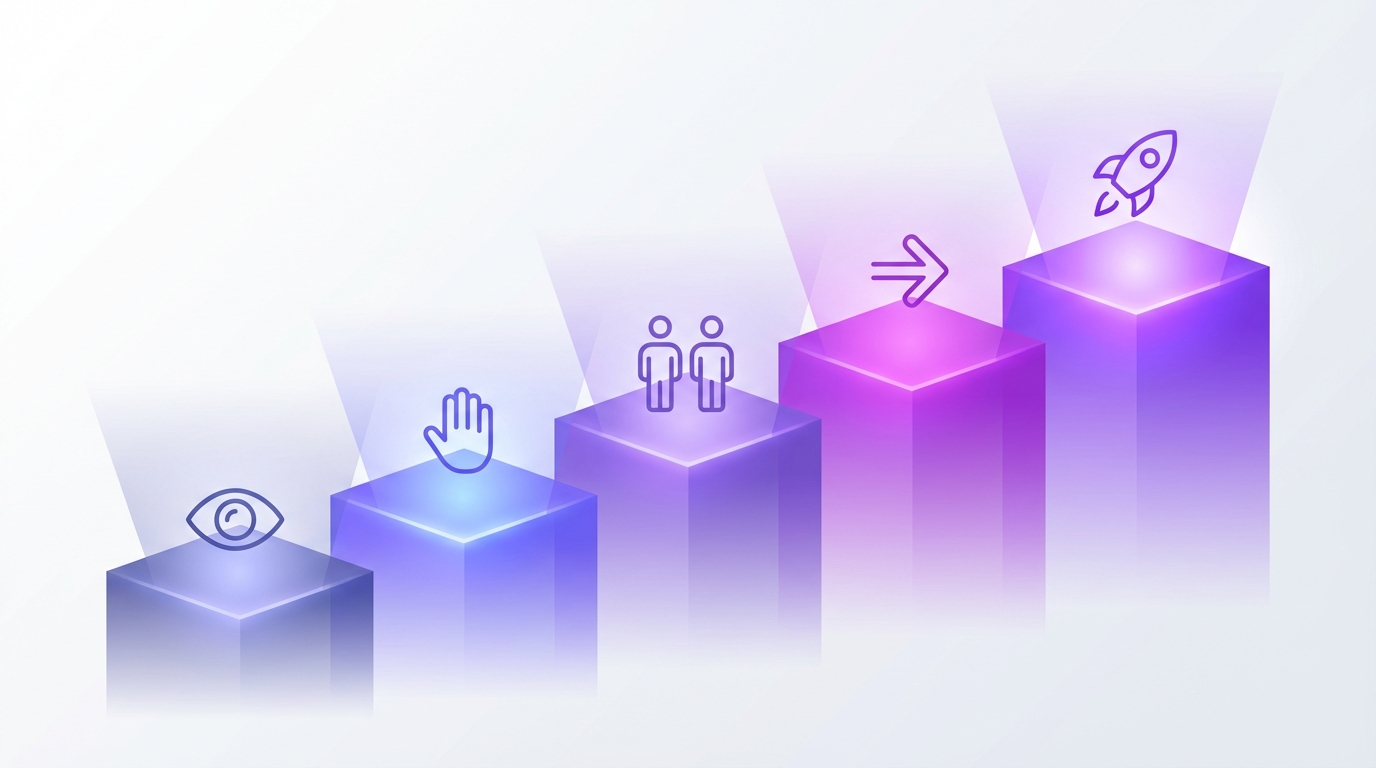
Most companies deploy AI agents with an all-or-nothing approach. Here's a better framework: five levels of progressive autonomy that mirror how you'd onboard a human employee.